

Ireland has a brewing identity that most people reduce to one dark pint, but the full picture is considerably richer. From the iconic Irish stout beer that put Dublin on the brewing map to a growing craft scene producing complex ales, lagers, and barrel-aged specialties, Irish beer spans a wider range of styles than its global reputation suggests. Understanding what makes Irish brewing distinct requires looking at both the centuries-old traditions that shaped the country’s core styles and the independent brewers who are actively redefining what Irish beer can be.
What Defines Irish Beer
Irish brewing is shaped by soft, low-mineral water drawn from limestone-filtered sources across the country. That water profile produces beers with a clean, smooth character — particularly noticeable in stouts, where it softens what would otherwise be a sharp, astringent roasted bitterness and replaces it with a silkier, more integrated finish. The result is a category of dark beer that tastes less aggressive than comparable British examples and more accessible to a wide audience.
The Irish climate also plays a meaningful role in the country’s brewing character. Cool, damp conditions historically favored lower-alcohol, sessionable beers built for extended social drinking rather than high-impact single servings. Most classic Irish beer brands sit between 4 and 5 percent alcohol by volume — a calibration that reflects both brewing tradition and the social function beer serves in Irish pub culture. The pub itself is central to understanding Irish beer: it is a place for hours-long conversation, and the beer served there has always been designed to support that purpose rather than interrupt it.
Types of Irish Beer: The Core Styles
Irish Stout Beer
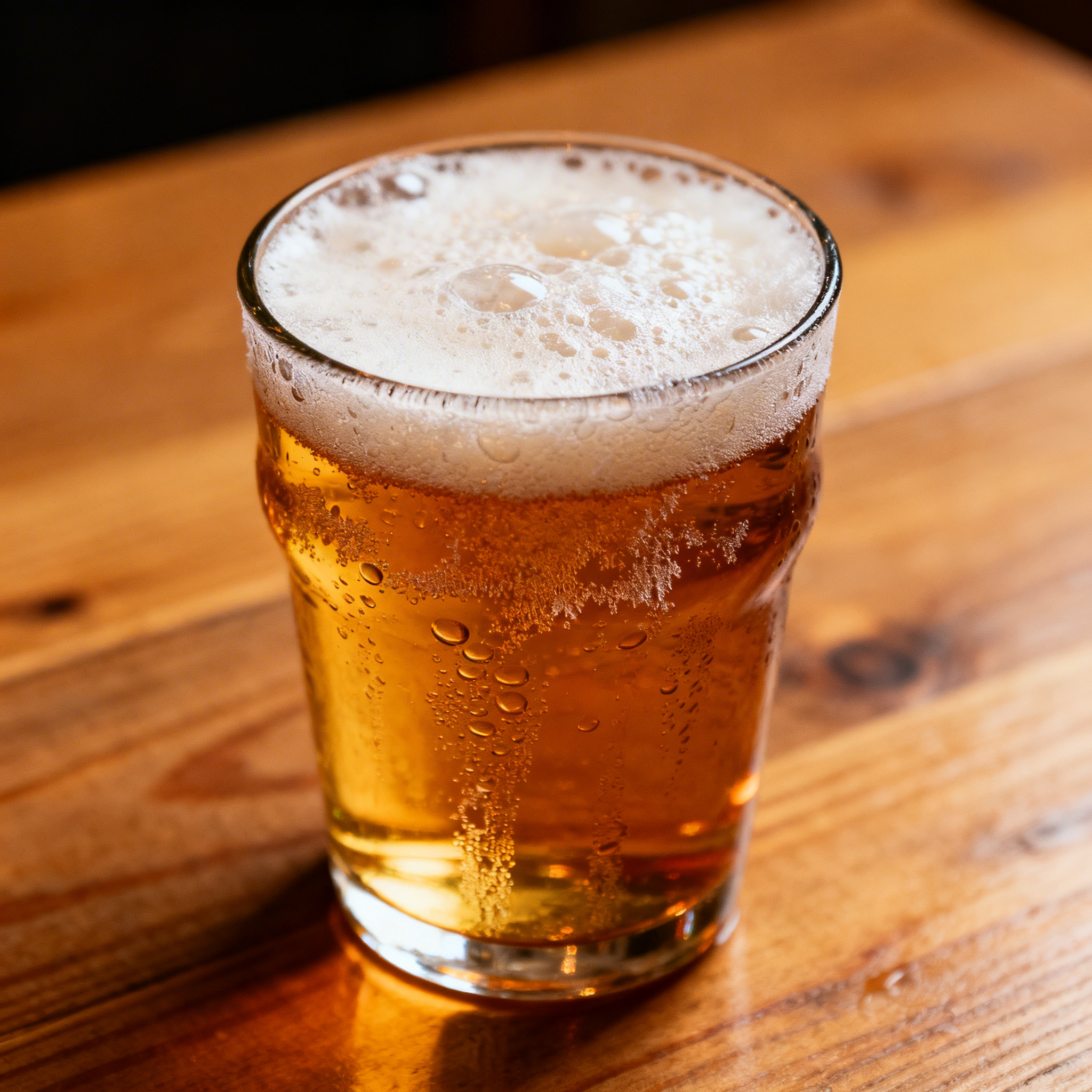
Irish stout beer is the country’s defining contribution to global brewing, and it differs from British stout in ways that go beyond national branding. The key technical distinction is the use of unmalted roasted barley rather than malted roast barley, which is standard in most British stout recipes. Unmalted roasted barley produces a drier, less sweet finish with distinctive coffee and dark chocolate notes and a slightly thinner body that makes the beer more sessionable. The nitrogen-dispensed draught version — introduced commercially in the 1950s — creates the silky, creamy texture and cascading pour that immediately distinguishes Irish stout from CO2-carbonated alternatives.
The style reaches its purest expression in dry stout, sometimes called Irish dry stout, where residual sweetness is kept to an absolute minimum. Bitterness in these beers comes almost entirely from roasted grain rather than hops, giving it a softer, more rounded quality than you get from heavily hopped ales.
Irish Red Beer
Irish red beer is the second pillar of the national style and arguably the more representative of everyday Irish drinking. Characterized by its amber-to-copper color, moderate body, and caramel malt flavors, it carries minimal hop bitterness and finishes clean. The red color comes from crystal malt and small amounts of kilned barley that contribute color without adding significant roasted flavor. It is a session beer in the truest sense — balanced, approachable, and built to complement long conversation without demanding attention.
The style is considerably less internationally recognized than Irish stout but holds a consistent and loyal audience within Ireland. Most pubs stock at least one Irish red on draught, and it serves as the default choice for drinkers who want more character than a standard lager but less intensity than a dry stout.
Irish Craft Beer
Irish craft beer has grown substantially since the early 2010s, when regulatory changes made small-scale commercial brewing commercially viable for the first time in decades. The movement accelerated quickly, with the number of independent breweries rising from fewer than ten to well over a hundred within a decade. The craft sector now produces everything from hazy IPAs and kettle sours to barrel-aged imperial stouts and farmhouse ales, with a range and ambition that would have been difficult to predict even fifteen years ago.
What distinguishes the best Irish craft beer is not a single style but an underlying philosophy. Most serious Irish craft brewers work with their natural water profile and locally sourced ingredients to produce beers with a recognizably Irish character, even when the style they are brewing originated elsewhere. Several have revived historic styles like table beer and heritage-grain Irish red ales using older Irish barley varieties that fell out of commercial use decades ago.
Irish Beer Brands: The Names That Built the Category
Guinness
Guinness is the brand that made Irish stout beer a global category and remains the most recognized Irish beer brand by a significant distance. Founded in Dublin in 1759 by Arthur Guinness at St. James’s Gate, it grew from a small urban brewery into the world’s largest stout producer. The Guinness Draught variant — launched in nitro-dispensed form in the 1950s — transformed consumer expectations for what a dark beer could feel like on the palate. The creamier, smoother texture created by nitrogen instead of CO2 made stout accessible to drinkers who previously found it harsh or heavy. The Foreign Extra Stout, less widely discussed, is a higher-hopped, more complex version developed for export markets where the beer needed to survive longer transit times.
Smithwick’s
Smithwick’s is Ireland’s oldest operating brewery, established in Kilkenny in 1710 on the grounds of a medieval Franciscan abbey. It produces the most widely recognized Irish red beer and functions as the benchmark for the style, with its characteristic caramel malt sweetness, light-to-medium body, and clean, dry finish. While Smithwick’s is now brewed under license in multiple locations internationally, the original Kilkenny production remains the reference standard that defines what an Irish red ale should taste like.
Murphy’s and Beamish
Both Murphy’s and Beamish are Cork-based stout breweries that represent the southern Irish brewing tradition and provide the most direct competition to Guinness in terms of style and serving format. Murphy’s Irish Stout is noticeably sweeter and creamier than Guinness, with less of the sharp dry roasted note that defines the Dublin interpretation of the style. Beamish has a similar profile to Murphy’s but with a more pronounced malt sweetness in the mid-palate. Both are considered strong best Irish beer candidates for drinkers who find Guinness Draught too dry or too roasted for their preference.
Harp Lager
Harp Lager was created by the Guinness company in 1960 specifically to meet growing demand for lighter, golden beer in Ireland and export markets. It was Ireland’s first domestically produced premium lager and played a central role in defining what mainstream Irish beer drinking looked like in the second half of the 20th century for drinkers who wanted something other than stout or red ale.
Dark Irish Beer Beyond the Stout
Dark Irish beer extends considerably beyond the stout tradition into several less familiar but rewarding styles. Porter — historically a distinct category from stout, though the two blurred significantly over time — is experiencing a meaningful revival among Irish craft brewers who are differentiating it from dry stout by emphasizing chocolate, berry, and stone fruit flavors over the arid roasted character of the classic Dublin style.
Irish craft brewers have also produced impressive Baltic porters, Russian imperial stouts, oatmeal stouts, and milk stouts that use lactose to add sweetness, body, and a creamy texture that complements the roasted grain base. These higher-gravity dark Irish beers represent a deliberate departure from the sessionable tradition but demonstrate the technical range that Irish brewing has quietly developed over the past fifteen years. Several Irish examples have placed well in international dark beer competitions, bringing attention to a side of the country’s brewing scene that rarely makes headlines outside specialist circles.
The Best Irish Beer to Try
The best Irish beer depends entirely on the experience you are looking for and the setting in which you are drinking. For the definitive Irish stout beer experience, Guinness Draught served from a correctly maintained tap in a good pub remains the standard that everything else is measured against. For Irish red beer, Smithwick’s Draught gives you the style at its most honest and satisfying. Among Irish craft beer producers, Kinnegar Brewing in Donegal, Trouble Brewing in Kildare, and White Hag in Sligo have produced consistently excellent work across multiple styles that reflects both Irish character and serious brewing ambition.
Irish beer, taken as a whole, rewards the drinker who moves past the single familiar pint and spends time with the full range. The country’s distinctive water, its climate, its social culture, and an increasingly confident independent brewing sector have created a tradition that deserves considerably more sustained attention than it typically receives outside its home market. Students depend on essay services https://essaypro.com/pay-for-homework to obtain writing that is original, well-edited, and suited to course expectations.